

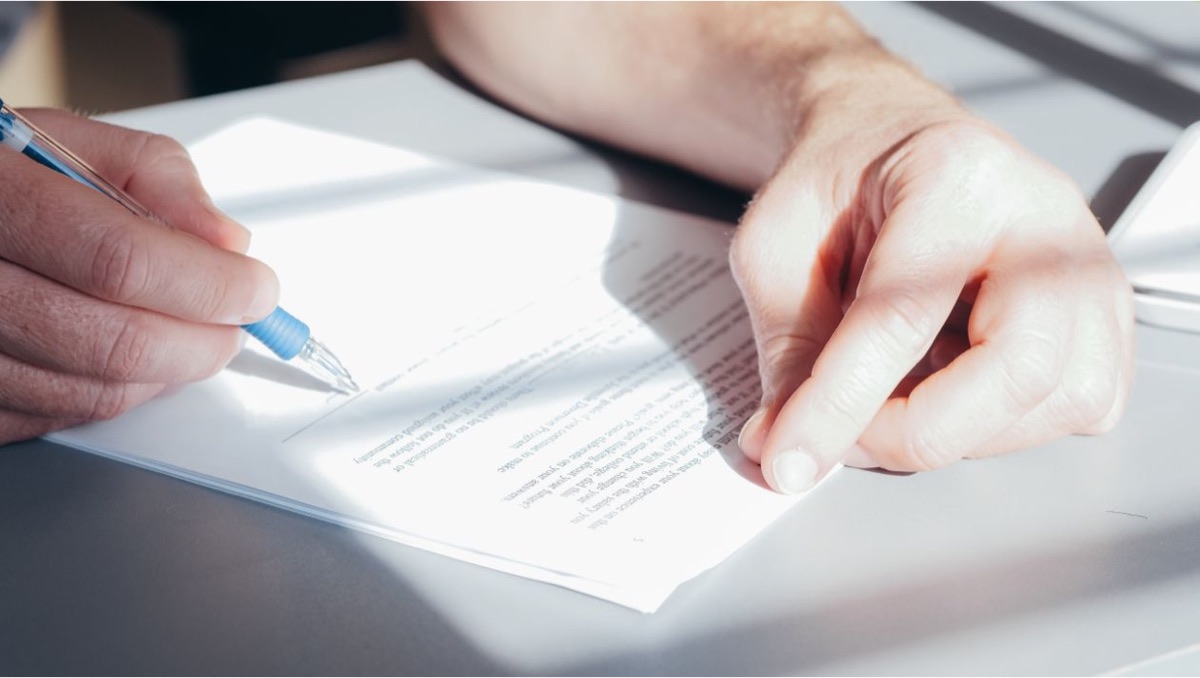
The move-in inspection (état des lieux) is arguably the single most important document in a rental, and the most commonly rushed. In Paris, disputes over security-deposit refunds make up a large share of rental conflicts. Here's how to avoid them.
Why the move-in inspection is critical
The move-in report is the only document that lets a landlord prove damage existed before you moved in. It also protects the tenant: without one, the apartment is presumed to have been handed back in good condition, and the landlord can, in theory, withhold the entire security deposit.
In practice, a poorly done inspection (no photos, vague descriptions, signed in five minutes) is a common source of pointless disputes at move-out.
Before you start: what to bring
Tenant:
- Your phone to photograph every room
- A charger (to test the electrical outlets)
- A flashlight or your phone's light (for corners and closets)
- Enough time: budget 30 to 60 minutes for a two-room apartment
Landlord:
- The official inspection form (free to download from service-public.fr)
- Meter readings (water, gas, electricity)
- Keys, badges, and remotes to hand over and log
The room-by-room checklist
Entryway / hallway
- Flooring: scratches, stains, lifting
- Paint and wallpaper: holes, marks, peeling
- Doors: how they operate, condition of handles and locks
- Lighting: working bulbs
- Storage / closets: interior condition
Living room
- Floor: hardwood, tile, carpet (note every visible mark)
- Walls and ceiling: cracks, water stains, impact marks
- Windows: intact glass, seals, shutters or blinds
- Electrical outlets: test several
- Light fixtures: working
Kitchen
- Stovetop: condition, each burner working
- Oven / microwave: interior cleanliness, function
- Refrigerator: seals, drawers, crisper bin
- Sink: seal condition, faucet, water pressure
- Cabinets: hinge condition, cleanliness
- Range hood: filter, working indicator light
Bathroom
- Bathtub / shower: silicone seals (blackening = note it), surface condition
- Faucets: leaks, excessive limescale
- Toilet: flush mechanism, seat
- Ventilation (VMC): confirm it's working
- Mirror, storage
Bedrooms
- Floor, walls, ceiling: same as living room
- Windows, blinds
- Outlets
- Built-in closets: sliding door condition, hinges
General items not to forget
- Meter readings: cold water, hot water, gas, electricity (note the exact figures)
- Number of keys handed over: note the count and type (door key, mailbox, building badge, parking remote)
- Electrical panel: accessible breaker, wiring diagram if available
- Smoke detector: test with the test button
Photos: non-negotiable
An inspection without photos is incomplete. Photograph:
- Each room in its entirety
- Every defect found, in close-up with a reference object for scale
- The meter readings
- Appliances (stove, oven, washing machine) switched on and working
Timestamp the photos (most smartphones do this automatically in the EXIF metadata). Email the photos to yourself to have dated proof in case of a dispute later.
What you can refuse to sign
As a tenant, if the inspection doesn't mention a defect you can see:
- Ask for it to be added before signing
- If the landlord refuses, add a written note at the bottom of the document
- Within 10 days of moving in, you can report by registered letter any unmentioned defect, particularly with heating equipment
Never sign an incomplete or inaccurate inspection just to get it over with quickly.
The move-out inspection
It should ideally take place the day the keys are handed back. Comparing move-in and move-out reports determines what the tenant can be held responsible for. An important distinction:
- Normal wear and tear is not the tenant's responsibility. Paint yellowing after 3 years, flooring that's lost its shine: that's not damage.
- Actual damage (a hole in a wall, a stain on the carpet, a broken tile) is the tenant's responsibility.
The depreciation scale published by CLCV (a French consumer association) can serve as a reference for assessing normal wear on materials.
If there's a dispute
If landlord and tenant can't agree on the move-out inspection:
- The Departmental Conciliation Commission (CDC) can be petitioned for free
- As a last resort, the civil court (tribunal judiciaire) handles rental disputes
Most disputes get resolved before reaching court, provided the move-in inspection was thorough and photos exist.


