

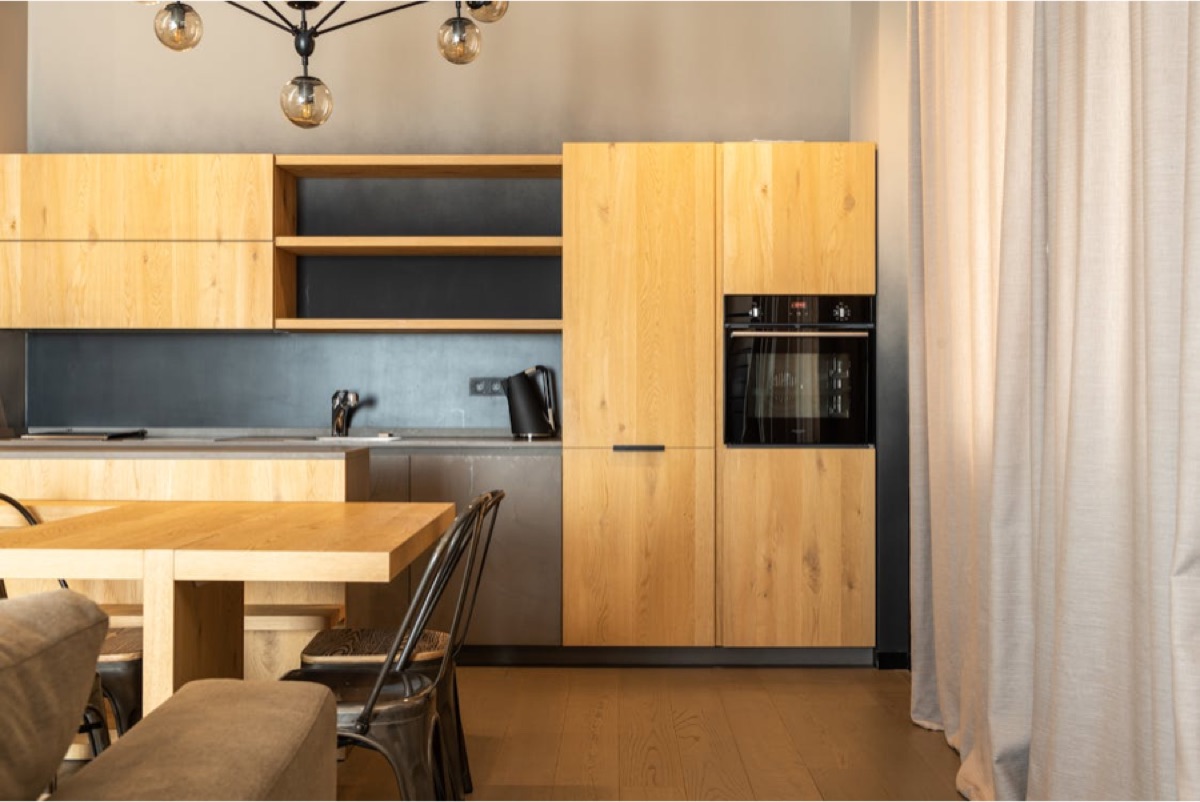
On a listing, "furnished" often comes down to a single word, and many tenants sign without knowing what it changes. Yet furnished or unfurnished is about more than a sofa: the lease length, the landlord's notice and the deposit are not the same. Here are the differences for a let as your main home, and how to choose.
The comparison table
| Furnished (meublé) | Unfurnished (vide) | |
|---|---|---|
| Minimum lease length | 1 year (9 months for a student) | 3 years (private landlord), 6 years (company) |
| Renewal | Automatic, for 1 year (except the 9-month student lease) | Automatic, for 3 years (6 years with a company) |
| Tenant's notice | 1 month | 3 months, cut to 1 month in high-demand areas (including Paris) |
| Landlord's notice | 3 months before the lease ends | 6 months before the lease ends |
| Deposit | 2 months' rent excluding charges at most | 1 month's rent excluding charges at most |
| Charges | Monthly advances settled yearly, or a fixed amount | Monthly advances settled yearly |
| Rent control in Paris | Yes, with caps specific to furnished lets | Yes |
| Housing benefit | Possible | Possible |
| Bail mobilité | Possible (1 to 10 months) | No |
What "furnished" means in law
A flat isn't furnished just because it has a bed. A decree of 31 July 2015 sets the minimum list of what must be provided:
- bedding with a duvet or blanket;
- a way to black out the bedroom windows (shutters, blackout curtains);
- hobs;
- an oven or a microwave;
- a fridge and a freezer, or at least a fridge with a compartment at minus 6 °C;
- enough crockery to eat meals;
- kitchen utensils;
- a table and chairs;
- storage shelves;
- light fittings;
- cleaning equipment suited to the flat.
Check the list during the viewing, then again at the check-in inspection. If something is missing, in a dispute a judge can reclassify the lease as unfurnished, with its rules: a three-year lease and a deposit of one month at most.
Length and notice: the real difference is on the landlord's side
For you, leaving is almost as easy either way in Paris. Furnished, your notice is one month. Unfurnished, it's normally three months, but because Paris is a high-demand area (zone tendue), it's cut to one month, provided you say so in your notice letter. Without that mention, it's three months.
The difference is stability. With a furnished let, the landlord can end the lease every year, with three months' notice. With an unfurnished let, only at the end of each three-year period, with six months' notice. Either way, they need a reason: selling the flat, moving in themselves or housing a relative, or a legitimate and serious reason (unpaid rent, for example).
The deposit: up to double
Furnished, the deposit can be up to two months' rent excluding charges. Unfurnished, it's capped at one month. For a rent of €1,200 excluding charges, that's €2,400 to pay upfront in one case and €1,200 in the other, before the first month's rent.
Build it into your move-in budget, with the first month and home insurance: our guide to the budget for renting furnished in Paris does the full sum.
The rent: capped either way
In Paris, rent control applies to unfurnished and furnished lets alike. Only the caps differ: those for furnished lets are slightly higher, to account for the furniture. So a furnished flat doesn't justify any rent the landlord likes.
Before you apply, check a listing's rent with the rent checker: neighbourhood, size, type of let, and you have the legal cap in seconds.
Housing benefit
Housing benefit from the CAF (APL, ALS or ALF depending on your situation and the flat) is possible for furnished and unfurnished lets alike, for your main home, if the flat meets decency standards. The type of let doesn't rule you out. Apply on caf.fr as soon as you sign the lease, and if you're moving from abroad, our guide to Visale and CAF covers the conditions.
The bail mobilité, for furnished lets only
If you're in higher education, on an internship, in vocational training, on an apprenticeship, on a temporary work assignment, relocating for work or doing civic service, a landlord can offer you a bail mobilité: 1 to 10 months, non-renewable, and with no deposit. It only exists for furnished lets. All the rules are in our guide to the bail mobilité.
How to choose
- You're a student. Furnished is almost always the answer: a nine-month lease that matches the academic year, or a bail mobilité for a semester or an internship.
- You're coming to Paris for a few months. A bail mobilité if your situation qualifies, otherwise a standard one-year furnished lease, which you can leave on one month's notice.
- You're settling for several years. Unfurnished gives more stability (three years, renewed) and half the deposit. As long as you have furniture, or the budget to buy it.
- You're unsure. Compare the total cost, not just the rent: deposit, furniture to buy, the move itself, and how long you plan to stay.
Sources: service-public.fr, ANIL, decree no. 2015-981 of 31 July 2015 (Légifrance).


