

Paris is one of the most competitive rental markets in Europe. For anyone arriving from abroad – whether for a work assignment, a master's programme, or a personal project – finding a furnished apartment quickly, without getting taken advantage of, requires some preparation. Here is what you need to know before you start.
Types of rental contracts available
When you rent a furnished apartment in Paris, you will encounter three main types of contracts:
The bail mobilité (mobility lease): introduced by French law in 2018, this contract is designed for people in a temporary situation – students, interns, professionals on assignment, civic volunteers. It runs from 1 to 10 months, is non-renewable, requires no security deposit, and ends automatically without notice on both sides. It is the most practical option for a mid-term stay.
The furnished rental lease (bail meublé d'un an): a standard one-year lease, renewable by default. Requires a security deposit of up to two months' rent (excluding charges). The tenant must give one month's notice to leave. More stable, but less flexible.
The short-term or tourist rental: anything under one month and a day in Paris falls under a different legal regime. Landlords must register with the city and comply with strict quotas. Costs are significantly higher per night.
For stays of 1 to 10 months, the mobility lease is generally the right answer if you qualify.
Who qualifies for a bail mobilité?
To sign a bail mobilité, you must be in one of these situations at the time of signing:
- Higher education (university, business school, engineering school)
- Vocational training or apprenticeship
- Internship (with a valid internship agreement)
- Professional assignment or temporary work contract
- Professional transfer
- Civic service or volunteering
Your landlord will ask for documentary proof. Prepare your internship agreement, work contract, or assignment letter before you start searching.
What documents do landlords ask for?
In Paris, landlords receive many applications for good listings. A complete dossier submitted promptly makes a real difference. You will typically need:
- A valid identity document (passport or national ID)
- Proof of your situation (internship agreement, work contract, acceptance letter)
- Proof of income or resources (payslips, scholarship letter, parental income)
- A French guarantor – or a Visale guarantee (free, provided by Action Logement for eligible profiles)
If you do not have a French guarantor, Visale is the most practical alternative. It is available to students and young workers under 30, and to employees in their first year at a company. Apply at visale.fr before you start your search – it takes a few days to obtain.
A realistic budget for Paris in 2026
Prices vary significantly by neighbourhood and property type. Here is what you can expect for a furnished apartment on a mid-term lease:
- Studio (18 to 25 m²): 1,100 to 1,600 EUR/month
- 1-bedroom apartment (35 to 50 m²): 1,500 to 2,500 EUR/month
- 2-bedroom apartment (55 to 75 m²): 2,200 to 3,500 EUR/month
Charges (utilities, building fees) are sometimes included in the listed rent, sometimes billed on top. Always clarify this before signing. Internet is usually included in furnished rentals.
First-month costs to budget for:
- First month's rent
- Security deposit (0 for bail mobilité; up to 2 months for a standard lease)
- Tenant's insurance (mandatory – roughly 10 to 18 EUR/month for a studio or small apartment)
Which neighbourhood?
The right area depends on where you will be spending most of your time.
Central and Right Bank (1st, 2nd, 3rd, 4th): dense, expensive, excellent transport links. More suited to short stays or those with a generous budget.
East Paris (10th, 11th, 20th): popular with students and young professionals. Good value, lively, well served by metro. The 10th and 11th in particular have a large supply of furnished rentals.
Left Bank (5th, 6th, 13th, 14th, 15th): the 5th and 6th are close to major universities (Sorbonne, Sciences Po) but pricey. The 13th and 15th are more residential and affordable.
North Paris (17th, 18th, 19th): the most affordable arrondissements. Transport to the centre is generally good; the areas themselves are diverse and changing quickly.
Things to check before signing
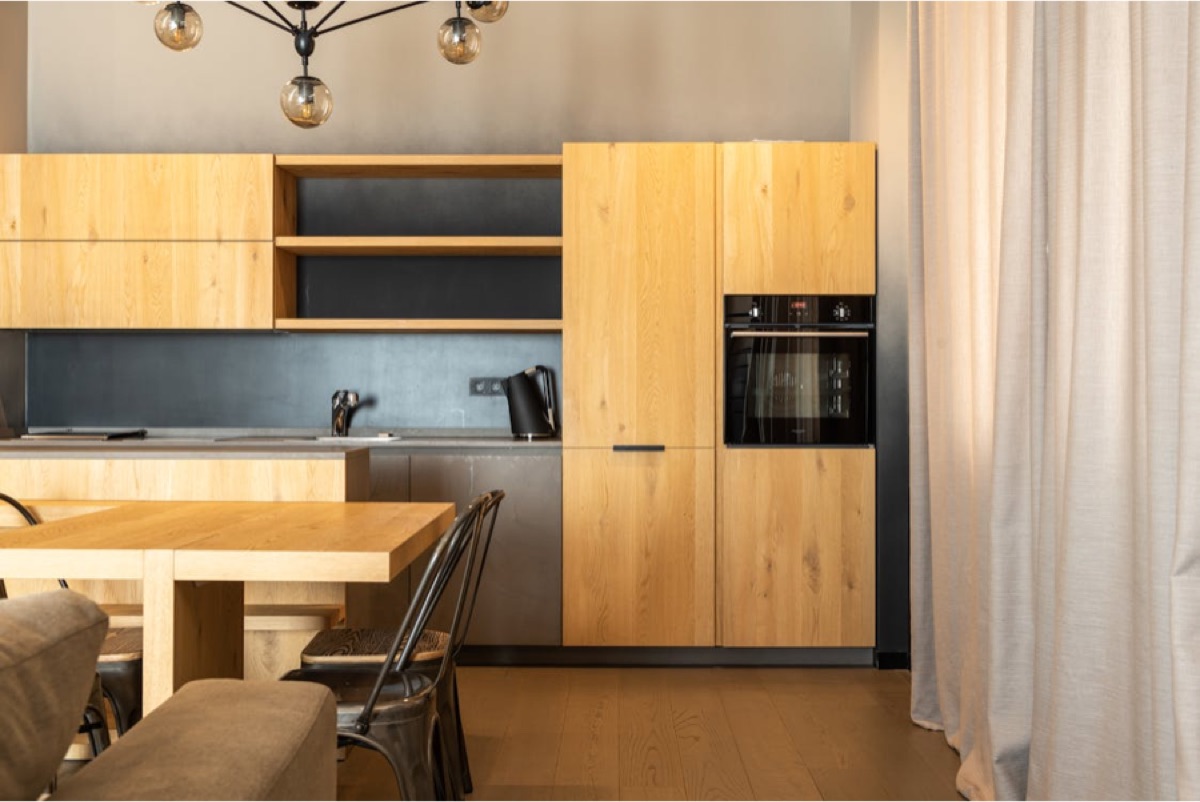
- Is the apartment legally meublé? French law defines the minimum furniture a furnished rental must contain: bed with duvet, shutters or curtains in the bedroom, cooking plates, oven or microwave, refrigerator, freezer compartment, dishes and utensils, dining table and chairs, storage space, lighting fixtures, and cleaning equipment. If items are missing, note it.
- Is the rent capped? Paris is subject to rent control (encadrement des loyers). The legal rent cap depends on the zone, the type of property, and the year of construction. You can check whether the advertised rent is compliant at encadrementdesloyers.fr.
- Is the inventory (état des lieux) complete? The move-in inspection should document every room with photos. Never sign an incomplete one – it is your only protection if the landlord tries to deduct costs from your deposit at the end.
A common mistake: confusing furnished and serviced apartments
Furnished apartments on a standard lease are different from serviced apartments (résidences étudiantes, résidences de tourisme, coliving operators). Serviced apartments often include weekly cleaning and reception – but they are significantly more expensive, and the contract is usually a services contract, not a rental lease, which gives you fewer legal protections.
LivedIn specialises in furnished rentals in Paris for stays of 1 week to 10 months. All profiles are verified on both sides, and listings are from individual hosts, not agencies, so there are no agency fees. Browse listings and filter by dates and budget.